



Cytochrome P450
CYPs
Cytochrome p450 comprises a superfamily of heme-thiolate proteins named for the spectral absorbance peak of their carbon-monoxide-bound species at 450 nm. Having been found in every class of organism, including Archaea, the p450 superfamily is believed to have originated from an ancestral gene that existed over 3 billion years ago. Repeated gene duplications have subsequently given rise to one of the largest of multigene families. These enzymes are notable both for the diversity of reactions that they catalyze and the range of chemically dissimilar substrates upon which they act. Cytochrome p450s support the oxidative, peroxidative and reductive metabolism of such endogenous and xenobiotic substrates as environmental pollutants, agrochemicals, plant allelochemicals, steroids, prostaglandins and fatty acids. In humans, Cytochrome p450s are best known for their central role in phase I drug metabolism where they are of critical importance to two of the most significant problems in clinical pharmacology: drug interactions and interindividual variability in drug metabolism.
Cytochrome P450 Isoform Specific Products
-
Cytochrome P450
(671)
View all products
-
CYP1
(95)
View all products
-
CYP2
(141)
View all products
-
CYP3
(133)
View all products
-
CYP4
(12)
View all products
-
CYP11
(13)
View all products
-
CYP17
(18)
View all products
-
Aromatase/
CYP19A1 (62)View all products
-
CYP26
(6)
View all products
-
CYP51
(24)
View all products
-
CYP1A2
(10)
View all products
-
CYP2D6
(18)
View all products
-
CYP2C9
(18)
View all products
-
CYP2C19
(9)
View all products
-
CYP3A
(4)
View all products
-
CYP3A4
(29)
View all products
-
CYP17A1
(5)
View all products
All Product Categories
-
Cytochrome P450 Inhibitors
(776)
View all products
-
Cytochrome P450 Agonists
(7)
View all products
-
Cytochrome P450 Antagonists
(5)
View all products
-
Cytochrome P450 Activators
(99)
View all products
-
Cytochrome P450 Modulators
(31)
View all products
-
Cytochrome P450 p53 Activator
(1)
View all products
-
Cytochrome P450 Inducers
(33)
View all products
-
Cytochrome P450 Degraders
(2)
View all products
-
Cytochrome P450 Controls
(9)
View all products
-
Cytochrome P450 Substrates
(55)
View all products
-
Cytochrome P450 Ligands
(3)
View all products
-
Cytochrome P450 Related Products (1197)
Related Products (1197)

-
Antibodies (26)
-
Cytochrome P450 Isoform Comparison
-
Cepharanthine
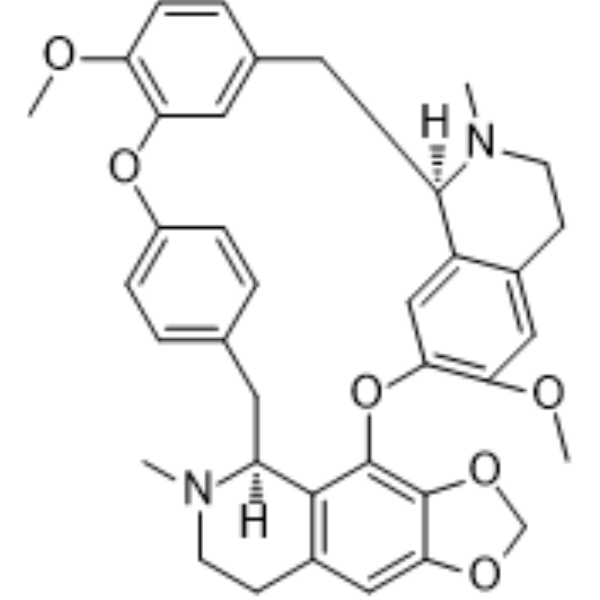 0 ImagesCepharanthine is a natural product that can be isolated from the plant Stephania cephalantha Hayata. Cepharanthine has anti-severe acute respiratory syndrome coronavirus 2 (anti-SARS-CoV-2) activities. Cepharanthine has good effective in suppressing viral proliferation (half maximal (50%) inhibitory concentration (IC50) and 90% inhibitory concentration (IC90) values of 1.90 and 4.46 μM. Cepharanthine can also effectively reverses P-gp-mediated multidrug resistance in K562 cells and increase enhances the sensitivity of anticancer agents in xenograft mice model. Cepharanthine shows inhibitory effects of human liver cytochrome P450 enzymes CYP3A4, CYP2E1 and CYP2C9. Cepharanthine has antitumor, anti-inflammatory and antinociceptive effects.
-
Talarozole
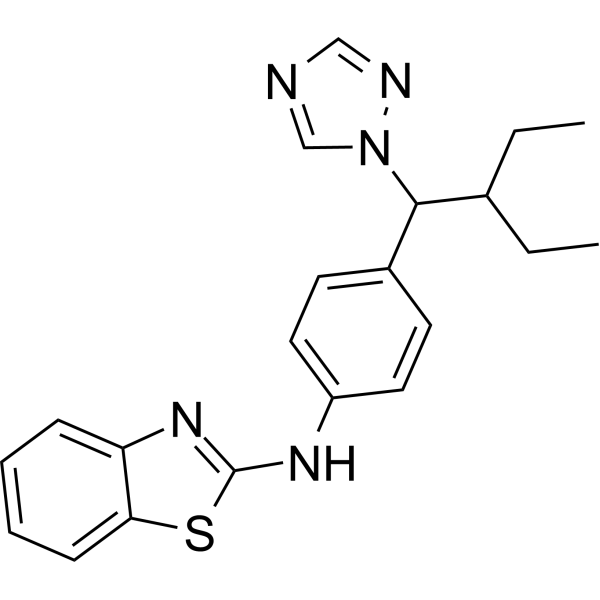 0 ImagesSynonyms: R115866Talarozole (R115866) is an oral systemic all-trans retinoic acid metabolism blocking agent (RAMBA) which increases intracellular levels of endogenous all-trans retinoic acid (RA). Talarozole inhibits both CYP26A1 and CYP26B1 with IC50s of 5.4 and 0.46 nM, respectively.
-
Paroxetine
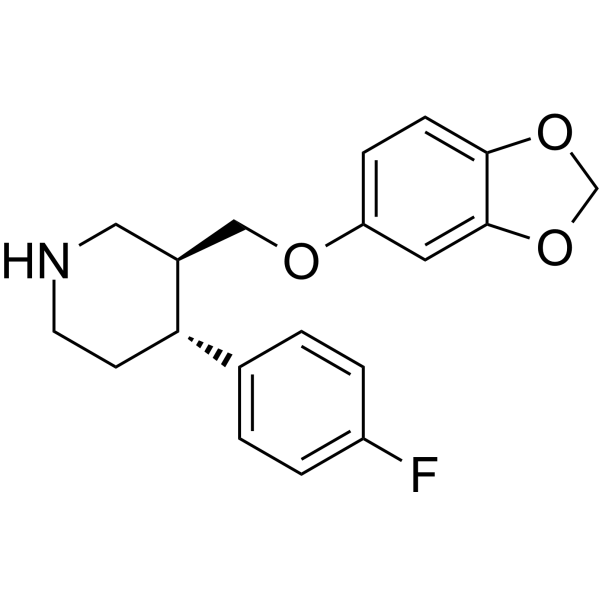 0 ImagesSynonyms: BRL29060Paroxetine (BRL29060) is an orally active and selective serotonin reuptake inhibitor (SSRI) and apoptosis inducer with blood-brain barrier permeability. Paroxetine inhibits nitric oxide synthase and CYP2D6, induces desensitization of 5-HT1A/1B/1D autoreceptors, downregulates 5-HT2 receptors, and promotes the production of inflammatory cytokines. Paroxetine is a weak norepinephrine (NE) uptake inhibitor and possesses antitumor activity. Paroxetine is widely used in research concerning depression, obsessive-compulsive disorder, panic disorder, social phobia, generalized anxiety disorder, post-traumatic stress disorder, premenstrual dysphoric disorder, hot flashes, and related conditions.
-
HET0016
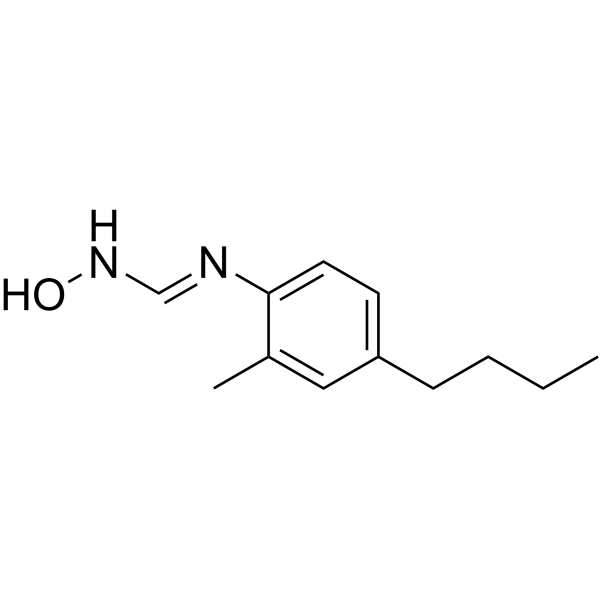 0 ImagesHET0016 is a potent and selective 20-hydroxyeicosatetraenoic acid (20-HETE) synthase inhibitor, with IC50 values of 17.7 nM, 12.1 nM and 20.6 nM for recombinant CYP4A1-, CYP4A2- and CYP4A3-catalyzed 20-HETE synthesis, respectively. HET0016 also is a selective CYP450 inhibitor, which has been shown to inhibit angiogenesis and tumor growth.
-
Rebastinib
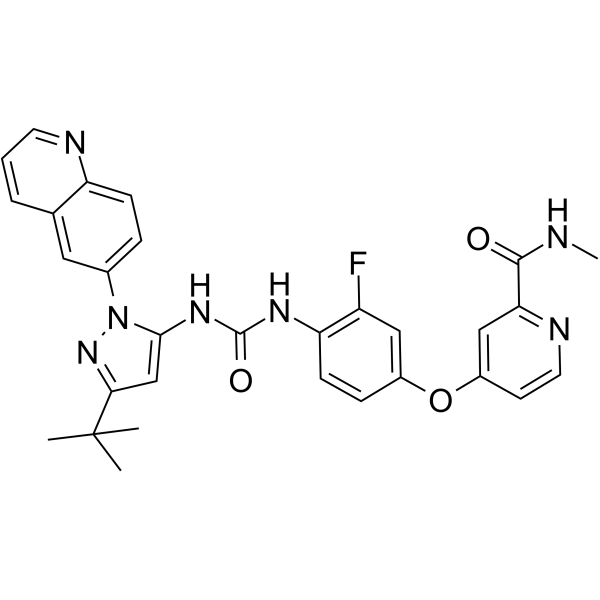 0 ImagesSynonyms: DCC-2036Rebastinib (DCC-2036) is an orally active, non-ATP-competitive Bcr-Abl inhibitor, with IC50 values of 0.8 nM and 4 nM against Abl1WT and Abl1T315I, respectively. Rebastinib potently inhibits CYP2C8 (IC50 = 0.0533 μM) and CYP2C9 (IC50 = 2.54 μM). Rebastinib allosterically inhibits Tie2 with an IC50 of 0.63 nM. Rebastinib inhibits the transcriptional activity of FoxO1. Rebastinib inhibits SRC family kinases, KDR and FLT3 kinases. Rebastinib induces Apoptosis. Rebastinib exerts anti-tumor activity in breast cancer. Rebastinib exerts anti-angiogenic effects. Rebastinib increases myotube diameter and improves reduced contractility. Rebastinib can be used in research related to triple-negative breast cancer, luminal breast cancer, pancreatic neuroendocrine tumors, muscle atrophy, cancer cachexia, chronic myeloid leukemia, and B-lymphocytic leukemia.
-
Conivaptan hydrochloride
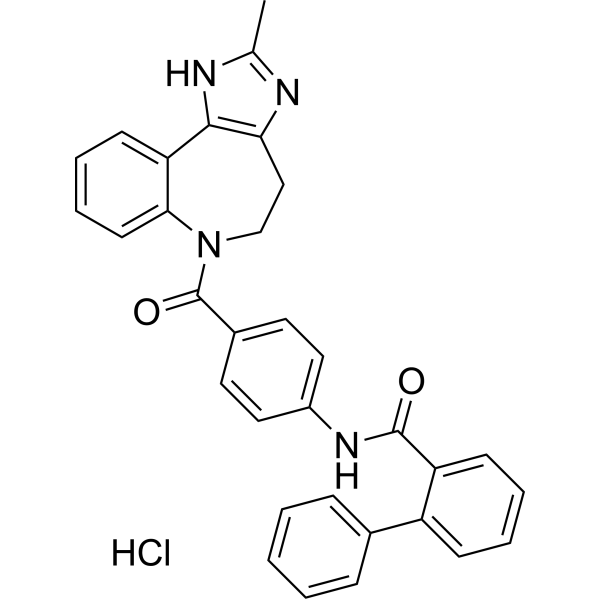 0 ImagesSynonyms: YM 087Conivaptan hydrochloride (YM 087) is an orally active dual vasopressin V1a/V2 receptor antagonist with Ki values of 0.48 nM and 3.04 nM for vasopressin V1a receptor and V2 receptor, respectively. Conivaptan hydrochloride competitively and reversibly blocks vasopressin-mediated antidiuresis, vasoconstriction, and cellular hypertrophy, while inhibiting CYP3A4. Conivaptan hydrochloride inhibits vasopressin-induced intracellular calcium, cAMP, and mitogen-activated kinase activation in vascular smooth muscle cells and cardiomyocytes. Conivaptan hydrochloride induces water diuresis while improving hemodynamics in heart failure models, reducing left ventricular end-diastolic pressure, vascular resistance, and organ weight. Conivaptan hydrochloride is used for research on hyponatremia and congestive heart failure.
-
Salvianolic acid C
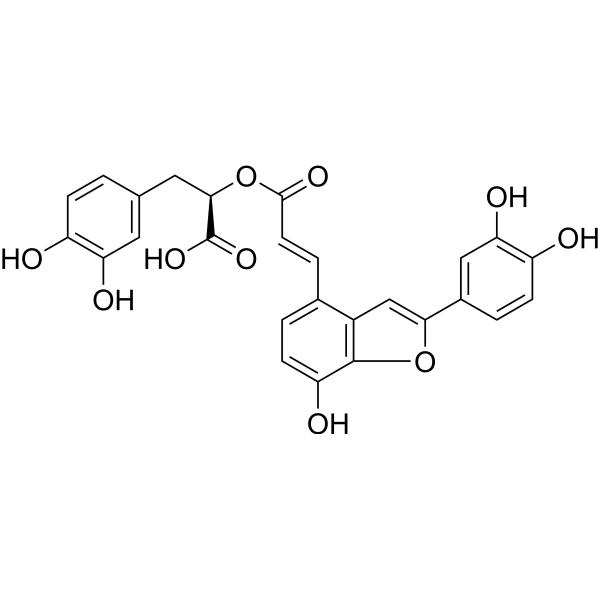 0 ImagesSalvianolic acid C is a noncompetitive Cytochrome P4502C8 (CYP2C8) inhibitor and a moderate mixed inhibitor of Cytochrome P45022J2 (CYP2J2), with Kis of 4.82 μM and 5.75 μM for CYP2C8 and CYP2J2, respectively.
-
Paroxetine hydrochloride
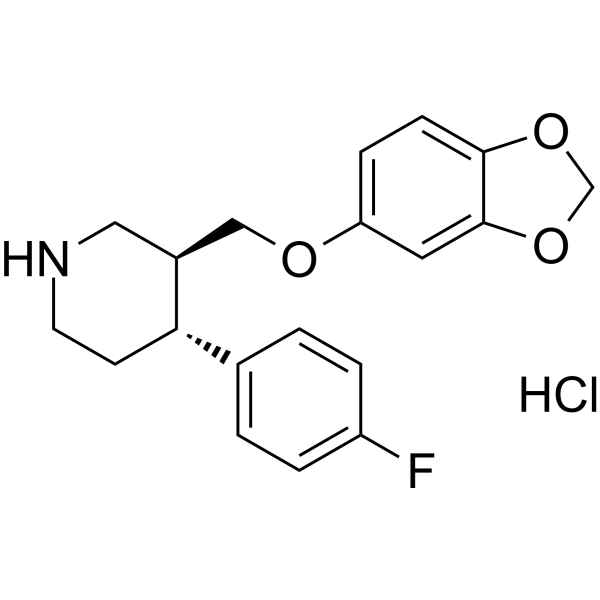 0 ImagesSynonyms: BRL29060 hydrochloride; BRL29060AParoxetine (BRL29060) hydrochloride is an orally active and selective serotonin reuptake inhibitor (SSRI) and apoptosis inducer with blood-brain barrier permeability. Paroxetine hydrochloride inhibits nitric oxide synthase and CYP2D6, induces desensitization of 5-HT1A/1B/1D autoreceptors, downregulates 5-HT2 receptors, and promotes the production of inflammatory cytokines. Paroxetine hydrochloride is a weak norepinephrine (NE) uptake inhibitor and possesses antitumor activity. Paroxetine hydrochloride is widely used in research concerning depression, obsessive-compulsive disorder, panic disorder, social phobia, generalized anxiety disorder, post-traumatic stress disorder, premenstrual dysphoric disorder, hot flashes, and related conditions.
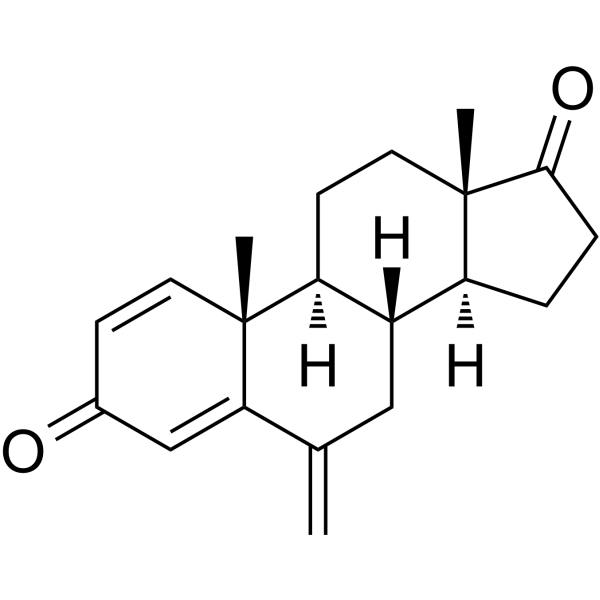
-
(S)-Mephenytoin
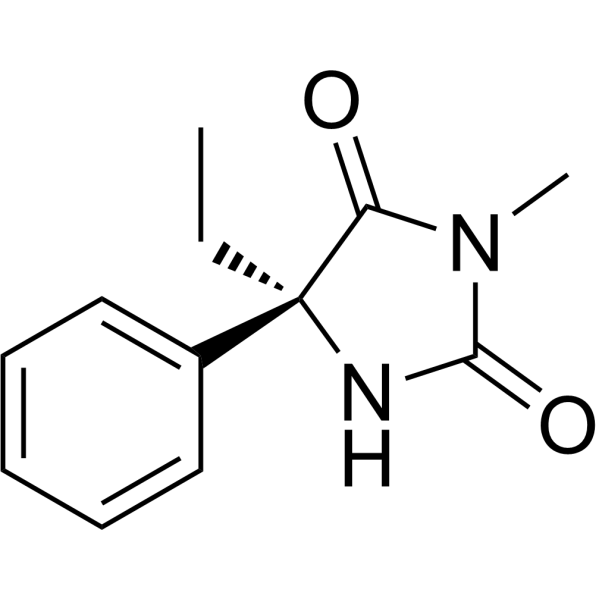 0 ImagesSynonyms: (+)-Mephenytoin(S)-Mephenytoin ((+)-Mephenytoin) is an anticonvulsive agent. (S)-Mephenytoin is a substrate of the cytochrome P450 (CYP) isoform CYP2C19. (S)-Mephenytoin can be used for the analysis of cytochrome P450 metabolism.
-
Brassinazole
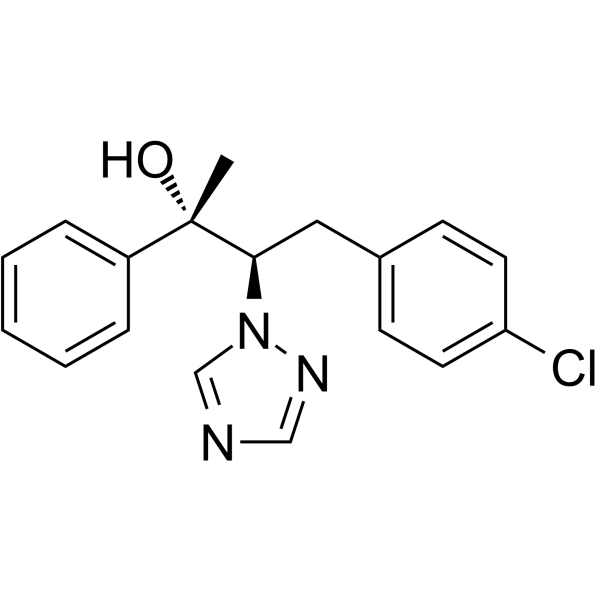 0 ImagesBrassinazole is a selective triazole-type brassinosteroid (BR) biosynthesis inhibitor. Brassinazole is used for regulating plant growth and development.
-
Cholestyramine
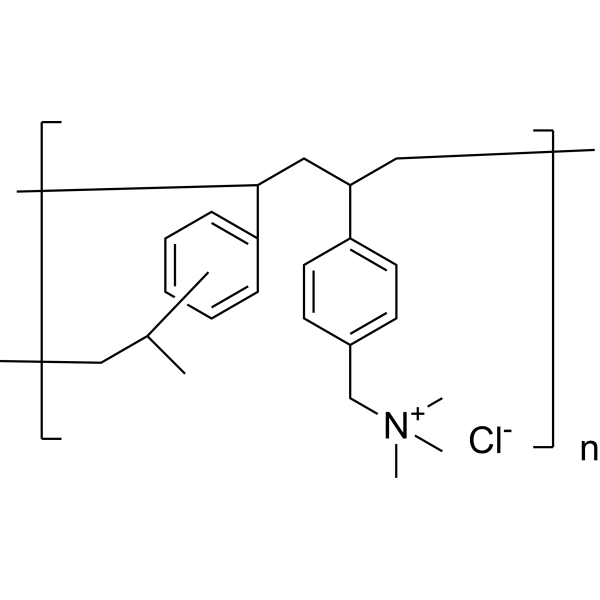 0 ImagesCat. No.: HY-104081CAS No.: 11041-12-6Synonyms: Cholestyramine resin; ColestyramineCholestyramine (Cholestyramine resin) is an orally active bile acid sequestrant. Cholestyramine upregulates the expression of intestinal Apical sodium-dependent bile acid transporter and hepatic Cholesterol 7α-hydroxylase. Cholestyramine induces the expression of intestinal and hepatic cholesterol synthesis genes as well as hepatic lipogenesis genes, and promotes bile acid- and neutral sterol-mediated reverse cholesterol transport. Cholestyramine reduces intestinal cholesterol absorption and induces cholesterol efflux. Cholestyramine is applicable to research related to coronary artery disease, atherosclerotic cardiovascular disease and atherosclerosis.
-
Potassium 1H-indol-3-yl sulfate
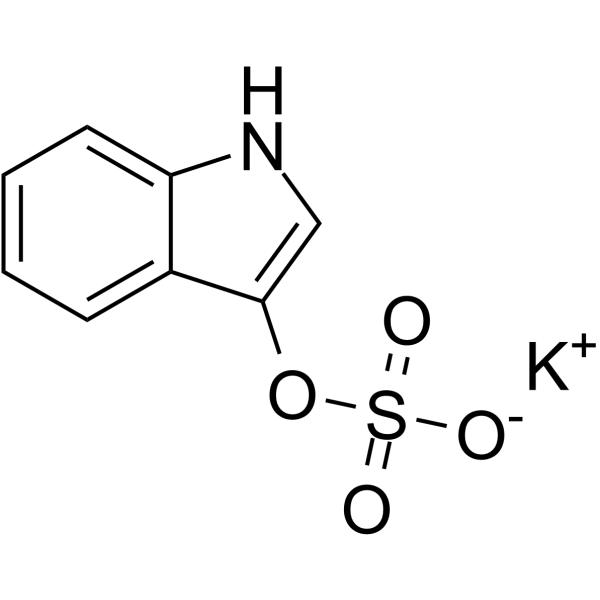 0 ImagesPotassium 1H-indol-3-yl sulfate is a metabolite of tryptophan, produced by intestinal microorganisms and combined with sulfate in the liver before entering the circulatory system. Potassium 1H-indol-3-yl sulfate is a potent endogenous agonist of the aryl hydrocarbon receptor (AhR) and a urinary toxin. Potassium 1H-indol-3-yl sulfate can be used for research on kidney diseases.
-
Anastrozole
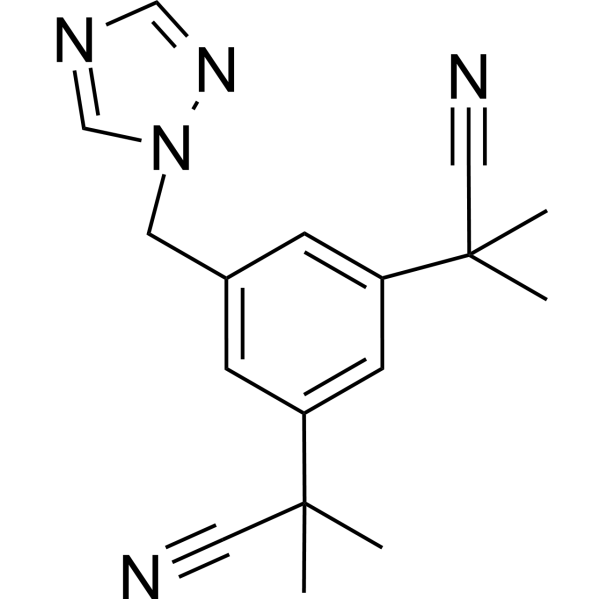 0 ImagesSynonyms: ZD1033Anastrozole is a potent, highly selective aromatase inhibitor, which inhibits human placental aromatase with an IC50 of 15 nM.
-
Ginsenoside C-K
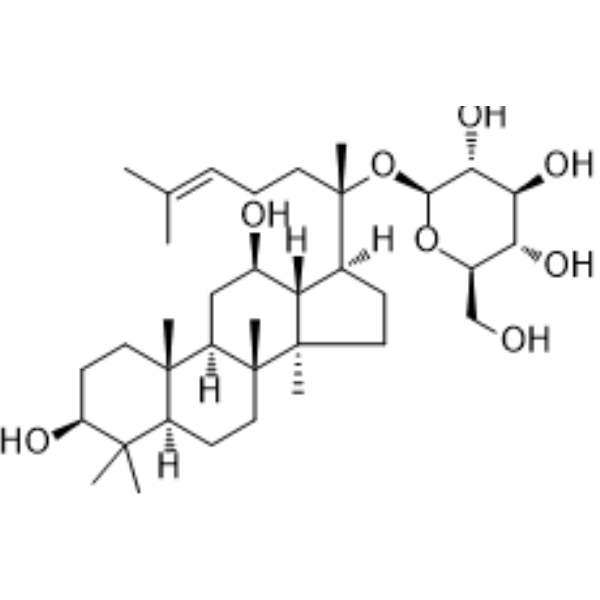 0 ImagesSynonyms: Ginsenoside compound K; Ginsenoside K




